
Your Journey to Ramadan in Egypt 2026: A Unique Experience

is more than just a month of fasting; it is a daily celebration of spirituality and heritage that sets Egyptians apart. This holy month blends a unique mix of social traditions, culinary delights, and cultural touches, creating an extraordinary experience. From the very first night of Ramadan, Egypt transforms into a vibrant canvas of life, with mosques filled with prayers and streets adorned with colourful lanterns, while tables are laden with delicious dishes reflecting the country’s rich history and generous spirit.
Explore More: When is Ramadan in 2026? Start And End Date
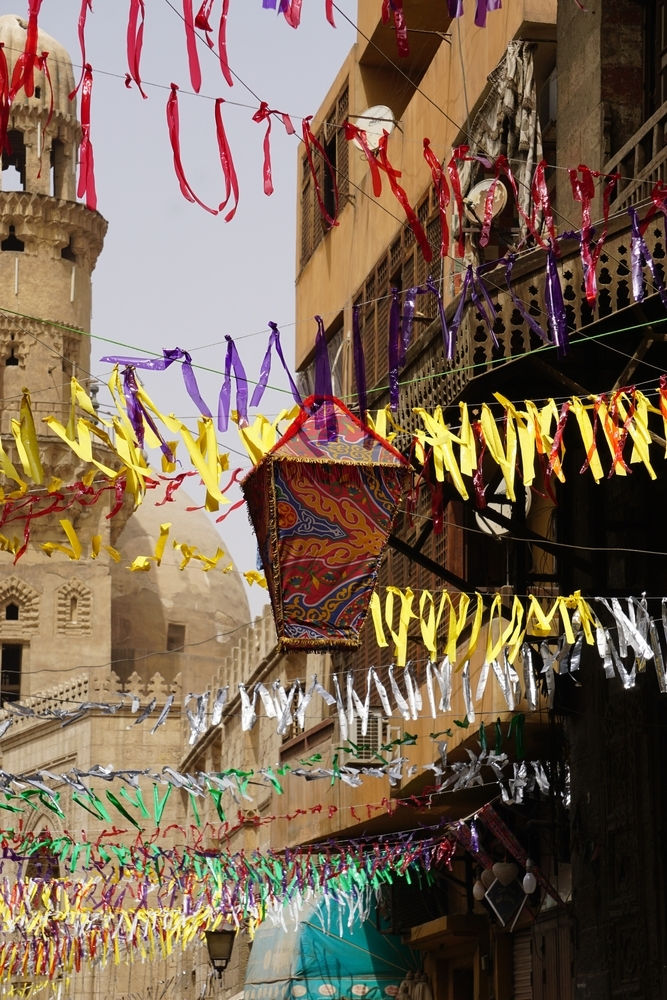
The Atmosphere of Ramadan in Egypt: A Vibrant Scene of Lights and Life
Lanterns: The Eternal Symbol of Ramadan
As Ramadan begins, Egyptian streets and neighbourhoods come alive with decorative lanterns adorning homes and shops. Originating from the Fatimid era, these lanterns were initially used to light up the streets during Ramadan nights. Today, they have evolved into festive symbols crafted in various sizes and designs, ranging from traditional copper and coloured glass to modern, electric-lit lanterns.
Ramadan Decorations: A Celebration of Colours
No Ramadan in Egypt is complete without the colourful paper decorations strung between buildings and alleys. Both children and adults take part in crafting these vibrant adornments, reflecting a spirit of cooperation and joy unique to the holy month.
The Mesaharaty: A Call from the Past
“Wake up, O sleeper, and praise the Eternal!” With this iconic chant, the Mesaharaty roams the streets in the early hours of the morning, waking people up for Suhoor (the pre-dawn meal). This traditional figure, equipped with a drum or tambourine, remains a cherished symbol of Ramadan in Egypt, especially in older, more traditional neighbourhoods.
Mawa’id Al-Rahman: Tables of Generosity
Mawa’id Al-Rahman, or "Tables of Mercy," represent one of the most beautiful Ramadan traditions in Egypt. These public iftar tables are set up across the country, offering free meals to anyone in need. This initiative, started by mosques and charities, has become a communal practice showcasing Egypt’s deep-rooted values of solidarity and compassion.
The Cannon and Adhan: A Signal to Begin
With the sound of the Adhan (call to prayer) and the firing of the Ramadan cannon, families begin their iftar. The cannon, a tradition dating back to the Ottoman era, holds special significance in Egypt and is eagerly awaited by both adults and children.
Traditional Egyptian Ramadan Foods and Drinks: A Celebration of Flavours

1. Fattah: The Star of Feasts and Gatherings
Fattah is a staple dish during Ramadan, especially for large gatherings. This hearty meal consists of layers of crispy bread soaked in meat broth, topped with rice and a tangy sauce made of garlic, vinegar, and tomato. Served with tender chunks of slow-cooked meat, it’s a satisfying dish that embodies the essence of Egyptian hospitality.
2. Mahshi: A Symphony of Flavours in Every Bite
Mahshi, or stuffed vegetables, is a quintessential Egyptian dish. Zucchini, eggplants, or grape leaves are filled with a fragrant mixture of rice, herbs, and spices, and then cooked in a tomato-based broth. Its rich, aromatic flavours make it a favourite on Egyptian dinner tables during
Ramadan.
3. Koshary: It has become a symbol of Egyptian cuisine.
Although it’s considered a street food staple, Koshary is a must-have dish during Ramadan. This carb-rich meal combines rice, lentils, and pasta, topped with crispy fried onions and spicy tomato sauce. Its simplicity and energy-boosting qualities make it perfect for breaking a long fast.

4. Konafa and Qatayef: The Queens of Ramadan Desserts
Konafa: Made from thin, shredded pastry, baked to golden perfection, and stuffed with cream, cheese, or nuts, Konafa is a Ramadan dessert classic. It’s soaked in a light sugar syrup, balancing sweetness and texture.
Qatayef: Crescent-shaped pastries filled with walnuts or cream, then deep-fried or baked. These treats are served hot and drizzled with syrup, making them a beloved choice for dessert.

5. Ramadan Drinks: Refresh and Replenish
Qamar Al-Din: A rich apricot-based drink prepared by dissolving dried apricot sheets in water and sweetening them with sugar. It’s a Ramadan staple due to its energising and refreshing qualities.
Tamarind: A tangy, refreshing drink made from tamarind extract, sugar, and water, popular for its cooling properties during the hot Ramadan evenings.
Sobia: A creamy, coconut-infused drink that is served cold and loved by families across Egypt.
Carob: Naturally sweet, this drink is extracted from carob pods and is a healthy, refreshing choice for iftar.

The Social and Cultural Side of Ramadan in Egypt: Unity and Tradition

1. Mawa’id Al-Rahman: A Shared Spirit of Giving
These communal tables highlight Egypt’s strong tradition of caring for others and offering meals to the less fortunate. Many young volunteers participate, creating an atmosphere of unity and shared purpose.
2. Acts of Charity: Ramadan as the Month of Giving
Ramadan sees a surge in charitable activities, from distributing food and clothing to delivering Ramadan bags filled with essential groceries. Corporate and community-led initiatives compete to spread kindness and generosity.
3. Family Gatherings: Strengthening Bonds
Ramadan brings families together for iftar and suhoor, fostering deeper connections between generations. Exchanging dishes with neighbours is another cherished tradition that showcases Egypt’s hospitality.
4. Cultural Festivities: Drama and Devotion
Ramadan TV Shows: Watching daily episodes of Ramadan series has become a modern tradition that brings families together after iftar.
Religious Chanting: Mosques and public spaces host Sufi-inspired performances, blending spirituality with art.
5. Nightlife: A City That Never Sleeps
Egyptian streets come alive at night during Ramadan, with bustling cafés and lively bazaars. The festive atmosphere lasts until the early hours of the morning, making every night of Ramadan a celebration.
Ramadan Tourism in Egypt: Spiritual and Cultural Adventures
Historic Mosques: Al-Hussein Mosque and Al-Azhar Mosque are popular destinations for those seeking spiritual fulfilment.
Markets: Khan El-Khalili and Al-Muizz Street are ideal for buying traditional lanterns, decorations, and local delicacies.
Nile Cruises: Enjoy iftar or suhoor on a felucca or a floating restaurant while soaking in the serene beauty of the Nile.
Ramadan Mubarak!
Frequently Asked Questions About Ramadan in Egypt
1. Why is Ramadan in Egypt so special?
Ramadan in Egypt is unique due to its festive atmosphere, iconic traditions like the Ramadan lanterns, street decorations, Mesaharaty calls, and the sense of community reflected in Mawa’id Al-Rahman (charity iftar tables). It’s a month full of warmth and togetherness.
2. What are the most popular Ramadan dishes in Egypt?
Some of the most loved dishes include Fattah, Mahshi, Koshary, and desserts like Konafa and Qatayef. These dishes are deeply rooted in Egyptian culture and are an essential part of Ramadan feasts.
3. Where can I experience the best Ramadan atmosphere in Egypt?
Key places to explore include Al-Hussein Mosque, Khan El-Khalili, and Al-Muizz Street. For a unique experience, enjoy iftar or suhoor by the Nile.
4. What are the key social traditions during Ramadan in Egypt?
Family gatherings for iftar and suhoor, charity activities like distributing Ramadan bags, and exchanging dishes with neighbours are all vital traditions that highlight Egypt’s communal spirit.
5. What cultural events take place during Ramadan in Egypt?
Cultural activities include religious chanting performances, Sufi-inspired music nights, and the highly anticipated Ramadan TV series that airs daily after Iftar.
6. What is the history behind the Ramadan lantern (fanous)?
The Ramadan lantern tradition dates back to the Fatimid era, when lanterns were used to light the streets during Ramadan nights. Over time, they became a symbol of the month, celebrated through artistic designs and vibrant colours.
7. Can tourists participate in Ramadan in Egypt?
Absolutely! Tourists are welcome to experience Ramadan in Egypt by attending religious events, enjoying local cuisines, and exploring the festive streets and markets.
10. What are the most popular Ramadan drinks in Egypt?
Staple drinks include Qamar Al-Din, Tamarind, Sobia, and Carob. These beverages are refreshing and play a key role in iftar meals.+


.png)